September is Blood Cancer Awareness Month, a time to raise awareness about cancers that affect the blood, bone marrow, and lymphatic system. While blood cancers are less common than many solid tumors, they impact thousands of individuals and families each year and often require specialized care from hematologists and oncologists.
Learning the signs, understanding how these cancers are diagnosed, and knowing what treatment options are available can help patients feel more informed and empowered. If you or a loved one has recently received a diagnosis, remember that you’re not alone. Advances in treatment continue to improve outcomes, and personalized care can help patients navigate every stage of their journey.
What Are Blood Cancers?
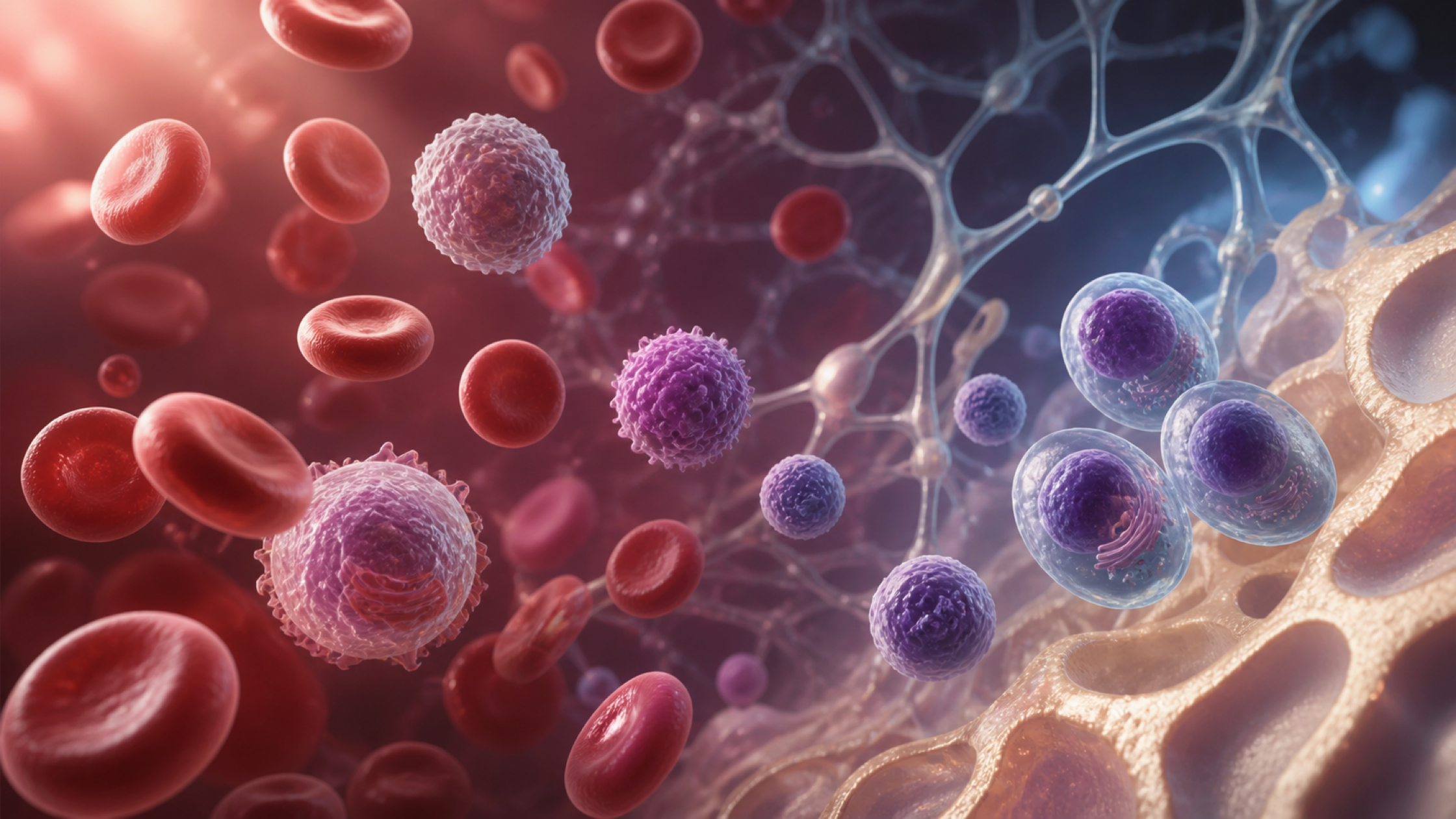
Unlike cancers that form solid tumors, blood cancers affect the cells responsible for carrying oxygen, fighting infection, and helping blood clot. They often begin in the bone marrow or lymphatic system, where blood cells are produced.
The three most common types of blood cancer include:
Leukemia
Leukemia is a cancer of the blood and bone marrow that causes the body to produce abnormal white blood cells. These cells crowd out healthy blood cells, making it harder for the body to fight infections, carry oxygen, and stop bleeding. There are several types of leukemia, which may develop quickly (acute) or progress more slowly (chronic).
Lymphoma
Lymphoma begins in the lymphatic system, an important part of the immune system. It develops when lymphocytes, a type of white blood cell, grow uncontrollably. The two primary categories are Hodgkin lymphoma and non-Hodgkin lymphoma, each with multiple subtypes that require different treatment approaches.
Multiple Myeloma
Multiple myeloma is a cancer of plasma cells, another type of white blood cell that helps the body fight infection. As abnormal plasma cells multiply, they can damage bones, affect kidney function, and interfere with the production of healthy blood cells.
Common Symptoms of Blood Cancers
Many blood cancer symptoms can resemble common illnesses or other medical conditions, which is why they’re sometimes overlooked. While having one or more of these symptoms doesn’t necessarily mean you have cancer, it’s important to speak with your healthcare provider if they persist or worsen.
Lymphoma or leukemia symptoms may include:
- Persistent fatigue or weakness
- Frequent infections
- Fever or night sweats
- Unexplained weight loss
- Swollen lymph nodes
- Easy bruising or bleeding
- Bone or joint pain
- Shortness of breath
- Pale skin
Because these symptoms overlap with many other conditions, a medical evaluation is the best way to determine what’s causing them.
How Are Blood Cancers Diagnosed?
Diagnosing a blood cancer typically involves several steps. Your physician will begin by reviewing your symptoms, medical history, and performing a physical exam. Depending on your symptoms, additional testing may include:
- Blood tests to evaluate blood cell counts and look for abnormalities
- Bone marrow biopsy to examine blood cell production
- Imaging studies such as CT scans or PET scans
- Lymph node biopsy, when lymphoma is suspected
- Specialized laboratory testing to identify the specific type of blood cancer
An accurate diagnosis is essential because each type — and even subtype — of blood cancer is treated differently. Understanding exactly what you’re facing allows your care team to develop the most effective treatment plan for your individual needs.
Treatment Options for Blood Cancers
Treatment depends on the specific type of blood cancer, how advanced it is, your overall health, and your personal treatment goals. Your care team will work with you to develop a personalized plan that balances effectiveness with quality of life. Leukemia or lymphoma treatment options may include:
- Chemotherapy
- Immunotherapy
- Targeted therapy
- Radiation therapy
- Bispecific antibody therapy
- Stem cell transplant, when appropriate
- Participation in clinical trials
- Supportive care to help manage symptoms and treatment side effects
In recent years, advances in targeted therapies and immunotherapies have created new treatment options for many patients with leukemia, lymphoma, and multiple myeloma. These therapies continue to improve outcomes while helping many patients maintain a better quality of life during treatment.
Related: Bringing Advanced Cancer Treatment to Clay County
The Role of Hematology Specialists
Because blood cancers can be complex, it’s important to receive care from specialists who focus on diagnosing and treating blood diseases. Hematologists and medical oncologists work together to:
- Accurately diagnose blood disorders and blood cancers
- Develop personalized treatment plans
- Monitor treatment response
- Manage side effects
- Coordinate supportive care throughout treatment
At Cancer Specialists of North Florida, our multidisciplinary team works closely with each patient to provide comprehensive, individualized care. From diagnosis through survivorship, we focus not only on treating the disease but also on supporting the physical and emotional well-being of every patient and their family.
When Should You See a Specialist?
Less serious conditions can also cause many symptoms associated with blood cancers, but persistent or unexplained symptoms should never be ignored.
If you’re experiencing ongoing fatigue, swollen lymph nodes, frequent infections, unexplained bruising, or other concerning symptoms, your primary care provider may recommend additional testing or refer you to a hematologist for further evaluation.
Early evaluation can help identify the cause of your symptoms and, if necessary, begin treatment as soon as possible.
You Don’t Have to Face a Blood Cancer Diagnosis Alone
A blood cancer diagnosis can feel overwhelming, but today’s treatments continue to offer new hope for patients and families.
If you’re experiencing leukemia symptoms, have questions about lymphoma treatment, or have recently been diagnosed with a blood cancer, your care team is here to help. Learn more about the hematology and oncology services available at Cancer Specialists of North Florida and what to expect throughout your care journey.
Related: Nutrition & Cancer: FAQs
Frequently Asked Questions
What questions should I ask after a cancer diagnosis?
After receiving a cancer diagnosis, it’s helpful to ask about the specific type and subtype of cancer, its stage or risk classification when applicable, relevant molecular or genetic findings, available treatment options, potential side effects, expected outcomes, and whether additional testing or second opinions are recommended.
Can I continue working during cancer treatment?
Many patients may continue working during cancer treatment, but it depends on the type of cancer, treatment plan, and how you respond to therapy. Your care team can help you understand what to expect and recommend adjustments that support your health and quality of life.
Should I get a second opinion after a cancer diagnosis?
Many patients choose to seek a second opinion to better understand their diagnosis and treatment options. A second opinion can provide reassurance, confirm a treatment plan, or introduce additional options. Your healthcare team can help you determine whether a second opinion may be beneficial.
What support services are available for cancer patients?
Cancer care extends beyond medical treatment. Many patients benefit from services such as nutrition counseling, social work, financial counseling, support groups, survivorship resources, and mental health support. These services can help patients and their families navigate the physical and emotional challenges of cancer treatment.
Related: Mental Health During Cancer Treatment: 6 Ways to Stay Positive