A cancer diagnosis affects more than the person receiving treatment. Family members, spouses, friends, and caregivers often take on new responsibilities while navigating their own emotions and concerns. If you’re wondering how to support someone with cancer, it’s important to know that you don’t have to have all the answers. Small, thoughtful actions, practical help, and simply being present can make a meaningful difference throughout treatment.
Whether you’re accompanying a loved one to appointments, helping manage daily responsibilities, or offering emotional support, your role matters. This guide shares practical ways to support someone through cancer treatment while also caring for your own well-being.
Learn What to Expect During Treatment
Every patient’s experience is different. Treatment plans, side effects, and schedules vary based on the type of cancer and the therapies being used. Learning about your loved one’s treatment can help you feel more prepared and better equipped to offer support. Some ways to stay informed include:
- Attend appointments when possible and take notes.
- Keep a calendar of treatments, follow-up visits, and medication schedules.
- Write down questions ahead of appointments so they can be discussed with the care team.
- Ask your loved one how involved they would like you to be in conversations about their care, while respecting their privacy and treatment decisions.
The more informed you are, the more confident you’ll feel as you help your loved one navigate treatment.
Offer Practical Help With Everyday Tasks
One of the best ways to provide caregiver support for cancer patients is by easing the day-to-day responsibilities that can become overwhelming during treatment.
Rather than saying, “Let me know if you need anything,” offer specific help, such as:
- Driving to and from appointments
- Preparing easy-to-eat meals or organizing a meal schedule
- Picking up prescriptions or groceries
- Helping with household chores, laundry, or yard work
- Watching children or pets during appointments
Specific offers are often easier for patients to accept than open-ended questions.
Be Present, Even When You Don’t Know What to Say
Many caregivers worry about saying the wrong thing. In reality, your presence often matters more than finding the perfect words. Try to:
- Listen without immediately trying to solve every problem.
- Allow your loved one to express difficult emotions without feeling pressured to “stay positive.”
- Check in regularly with a simple phone call or text.
- Celebrate milestones, no matter how small.
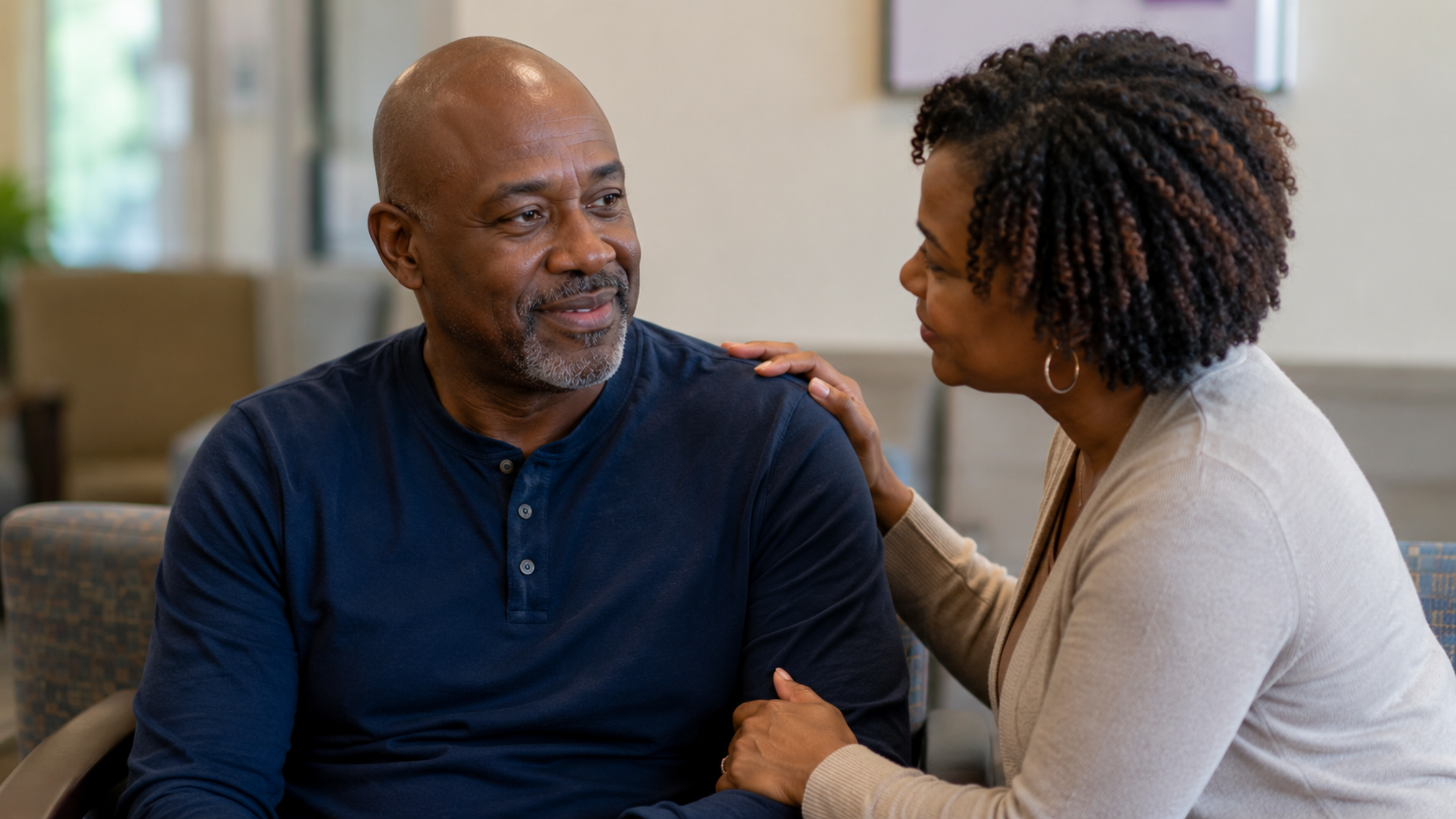
Sometimes the greatest source of comfort is simply knowing someone is there.
Communicate With the Care Team
You don’t have to navigate cancer treatment alone. If your loved one wants you involved in their care, maintaining open communication with the healthcare team and following any required privacy permissions can help everyone stay informed. Consider:
- Bringing a notebook or using your phone to record important information during appointments.
- Asking for clarification if instructions or treatment plans are unclear.
- Keeping an updated list of medications, allergies, and symptoms to share during visits.
- Letting the care team know about new side effects or concerns between appointments rather than waiting until the next scheduled visit.
Working together helps ensure your loved one receives the support they need throughout treatment.
Take Care of Yourself, Too
Caring for someone with cancer can be physically and emotionally demanding. It’s common for caregivers to focus so much on their loved one that they neglect their own health. To help prevent burnout:
- Accept help when friends and family offer it.
- Schedule time each week for activities you enjoy, even if it’s just a short walk or coffee with a friend.
- Prioritize sleep, healthy meals, and regular movement.
- Consider joining a caregiver support group or speaking with a counselor if you’re feeling overwhelmed.
Taking care of yourself isn’t selfish. It allows you to continue showing up for the person who depends on you.
You Don’t Have to Do This Alone
Supporting someone through cancer can be challenging, but you don’t have to carry the responsibility by yourself. At Cancer Specialists of North Florida, our team understands that caregivers need support, too. From social work and counseling services to guidance from your care team, we’re here to help patients and their loved ones navigate every step of the cancer journey together.
If you’re caring for someone with cancer and have questions or need additional support, contact Cancer Specialists of North Florida to learn more about the resources available for patients and caregivers.
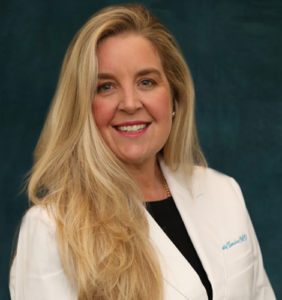
Dr. Emily Tanzler is a board-certified radiation oncologist at Cancer Specialists of North Florida, where she sees patients in Fleming Island and St. Augustine. A Jacksonville native and one of the founders of CSNF’s radiation oncology program, she is dedicated to helping patients maintain their quality of life throughout treatment through compassionate, comprehensive care.