
Constipation can be an uncomfortable and frustrating side effect during cancer treatment. Medications, dehydration, changes in eating habits, and decreased physical activity can all affect bowel movements.
As a dietitian, I often recommend starting with simple changes to food and hydration to support regularity. Small adjustments can make a difference, but remember that every patient is different. If constipation is persistent or uncomfortable, talk with your care team before making significant changes to your diet or adding supplements.
Why Does Cancer Treatment Cause Constipation?
Constipation may occur during cancer treatment for several reasons. Certain medications, including some pain medications, can slow digestion. Patients may also drink less fluid than usual, be less active, or experience changes in their normal eating patterns.
When these factors come together, bowel movements can become less frequent or harder to pass. One of the first things I encourage patients to consider is whether they are getting enough fluids and fiber throughout the day.
Foods That May Help Relieve Constipation During Cancer Treatment
When constipation occurs, certain foods can help support regular bowel movements. Some of my go-to recommendations include kiwi, prunes, and prune juice.
Try Kiwi Fruit
Kiwi is a good source of fiber and vitamin C, and it can be an easy addition to your daily routine. Depending on how recently you had a bowel movement, I may recommend starting with 1 to 2 kiwis per day.
Kiwi was also a favorite when we tested different foods with patients, so it can be a practical option for people who enjoy the taste.
Add Prunes or Prune Juice
Prunes are another simple option that may help support bowel regularity. I typically recommend around six to eight prunes, depending on the individual. Prune juice can also be helpful, and some people find that drinking it warm works particularly well.
Prunes also provide nutrients that support overall health, including nutrients important for bone health.
Stay Hydrated
Fluids play an important role in keeping stool softer and easier to pass. However, if you don’t drink enough water, then adding more fiber without increasing your fluid intake can sometimes make constipation worse.
Water is always a good place to start, but hydrating foods such as melons and other fruits can also contribute to your overall fluid intake. Try keeping a water bottle nearby throughout the day and taking small, frequent sips if drinking a lot of fluid at once feels difficult.
Add Fiber Gradually
Fiber can help support regular bowel movements, but increasing it too quickly can cause bloating or discomfort. If you add more fiber to your diet, do so gradually, and make sure you drink enough fluids.
Fruits and vegetables are good places to start. Your individual nutrition needs may vary depending on your treatment, symptoms, and overall health, so it can help to talk with a dietitian before making major dietary changes.
Try a Simple Smoothie
Smoothies can be an easy way to combine several nutritious ingredients in one snack or meal.
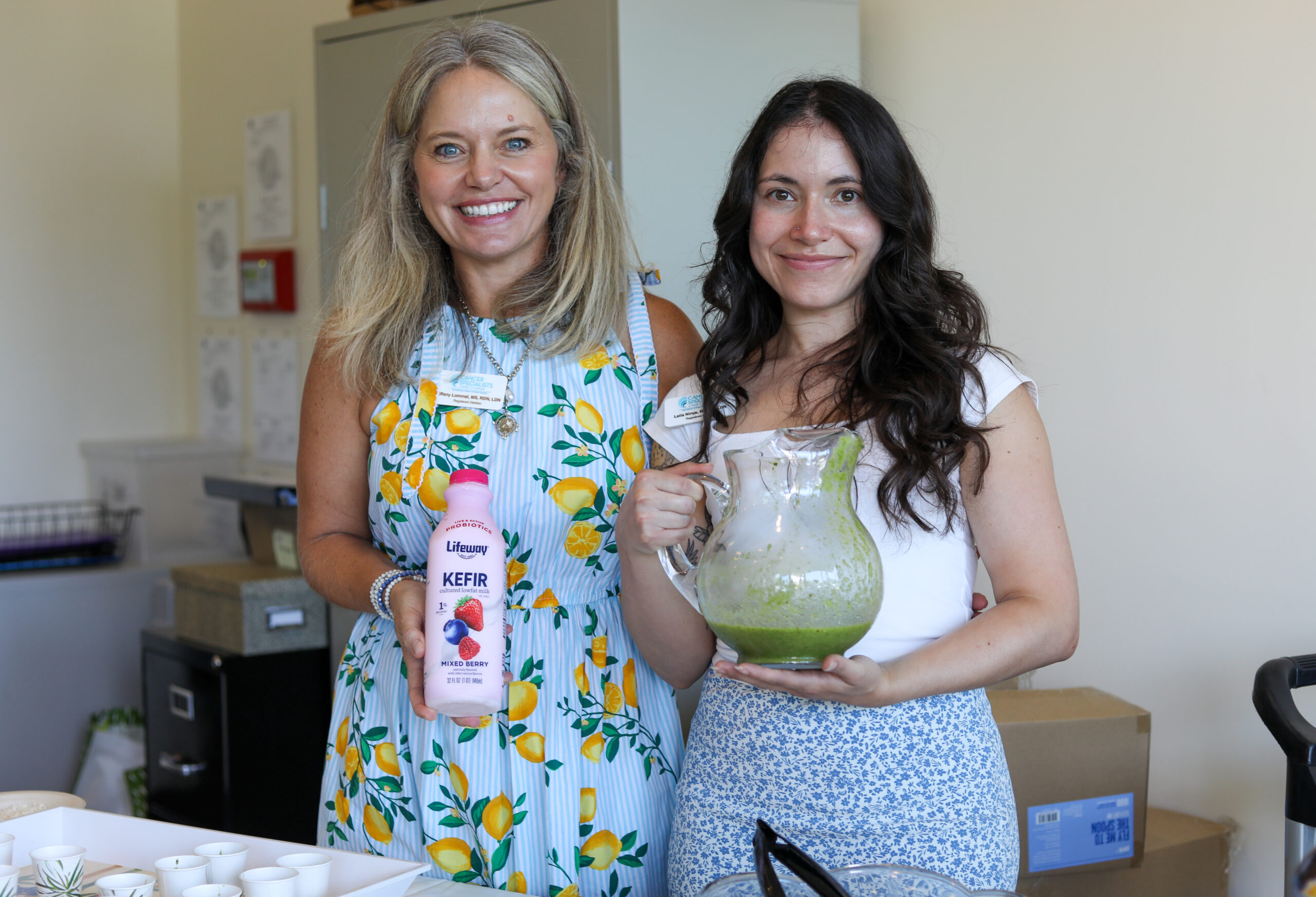
One combination I recommend is our Clean Sweep Smoothie, made with kiwi, spinach, kale, and pineapple. These familiar ingredients provide fiber along with a variety of vitamins and minerals. You can adjust the ingredients based on your preferences and what you tolerate well during treatment.
Make Chia Seed Pudding
Chia seeds are another source of fiber and can be incorporated into a simple chia seed pudding. I like making it with kefir, which provides probiotics that support gut health.
This can be a convenient breakfast or snack, especially if you want something you can prepare ahead of time. We offer our patients coupons for Lifeway Kefir to make it easier to incorporate kefir into your routine.
A Food-First Approach Can Help
When managing side effects, I generally like to start with food and nutrition whenever appropriate. That does not mean food is always the answer. Sometimes an over-the-counter medication or another treatment your care team recommends is the better option.
The goal is to find an approach that works for you while making sure you are getting the nutrition and hydration your body needs.
It is also important not to unnecessarily restrict your cancer diet based on things you read online or advice from friends and family. During cancer treatment, maintaining your weight and getting enough nutrition can be especially important.
If a particular food is causing problems such as reflux or another side effect, a dietitian can help you find substitutions or adjustments rather than cutting out entire food groups.
Nutrition Support Is Part of Your Cancer Care
At Cancer Specialists of North Florida, our four dietitians provide complimentary nutrition services to patients. You don’t have to figure out nutrition on your own, and you don’t need to wait until you are having significant problems to ask for help.
Whether you are dealing with constipation, struggling to eat enough, or simply have questions about what to eat during treatment, a dietitian can help you find practical options that fit your needs.
Related: Nutrition & Cancer: FAQs
Small Changes Can Make a Difference
Constipation is common, but you do not have to “simply live with it.” Staying hydrated, gradually increasing fiber, and incorporating foods such as kiwi and prunes may help support regularity.
Most importantly, let your care team know if you experience side effects. There are often several ways to manage them, and our nutrition team is here to help you find an approach that works for you.
If you or a loved one are experiencing nutrition-related side effects, ask your care team about meeting with one of our dietitians. Our complimentary nutrition services can help you find practical ways to stay nourished and comfortable throughout treatment.
Related: How to Support Someone With Cancer During Treatment